
We’re alreadyhere.
Whatever just happened to your pet — we’ve seen it, we’re trained for it, and we’re open. Drive to us. We’ll take it from here.
Response Time
Under 5 min
Years Open
14 Years
Surgeons
Board-Cert.
What you’re seeingright now.
Written by our triage nurses. Designed for 2 AM, one-handed, on a phone in a driveway.
Symptoms include:
- Difficulty breathing / gasping
- Uncontrolled bleeding
- Seizures lasting over 2 minutes
- Loss of consciousness
- Known toxin ingestion (lilies, xylitol, grapes)
- Paralysis or sudden inability to walk
- Suspected broken bone
- Eye injury or sudden vision loss
Recommended Action
Do not wait. Put your pet in the car. Call us on the way.
Check these while you drive:
Gum Color Check
- 1.Lift the upper lip gently
- 2.Healthy: pink, moist
- 3.Concern: white, pale, blue, or bright red
- 4.Press gum — should refill pink in under 2 seconds
"This is the first thing I check. Pale gums in under four seconds tells me everything I need to know about circulation." — Nurse Practitioner Keisha Okafor
Breathing Rate
- 1.Watch chest rise and fall for 15 seconds
- 2.Multiply by 4 for breaths per minute
- 3.Dogs: normal is 15–30/min
- 4.Cats: normal is 20–30/min
- 5.Over 40/min at rest = call us now
Count at rest, not after exercise. Panting dogs breathe much faster — that's normal.
Capillary Refill Test
- 1.Press on gum tissue firmly for 1 second
- 2.Release and watch color return
- 3.Under 2 seconds: healthy circulation
- 4.2–4 seconds: concerning
- 5.Over 4 seconds: emergency — drive now
Do this test alongside gum color. Together they give a clear picture of cardiovascular status.
Who answerswhen you call.
Board-certified specialists. Emergency-trained technicians. People who chose this shift.

Photographed between surgeries, 3:40 AM
DVM, DACVECC · Board-Certified
Dr. Amara Osei-Bonsu
Emergency & Critical Care Surgeon
11 years in emergency medicine
“The golden hour is real. The first sixty minutes after trauma determine outcomes in ways that nothing else can compensate for. That's why we never close.
Dr. Osei-Bonsu completed her emergency medicine residency at Cornell's teaching hospital and has performed over 4,000 emergency procedures since joining Triage.
What we seeevery night.
The conditions below account for 80% of our overnight admissions. Know the signs before you need to.
Poisonous Substances
If ingested — call immediatelyLilies (all species)
Cats only
Even pollen causes kidney failure. Any exposure = emergency.
Xylitol (sugar-free gum)
Dogs
Causes rapid blood sugar crash and liver failure.
Grapes & Raisins
Dogs, Cats
Dose is unpredictable. One grape can be fatal.
Acetaminophen (Tylenol)
Cats especially
Destroys red blood cells. Never give to pets.
Dark Chocolate
Dogs
Theobromine causes cardiac arrhythmia in sufficient doses.
Ibuprofen / Aspirin
Dogs, Cats
Causes stomach ulcers and kidney failure.
Macadamia Nuts
Dogs
Causes weakness, tremors, fever within 12 hours.
Onions & Garlic
Dogs, Cats
Destroys red blood cells. Cooked is still toxic.
Critical Conditions
Recognize before it escalatesGDV (Bloat)
Gastric Dilatation-Volvulus
The stomach twists on itself, trapping gas. Fatal within hours without surgery. Most common in deep-chested breeds (Great Danes, Dobermans, Labs).
Signs to watch for:
- Distended, hard abdomen
- Unproductive retching
- Restlessness, inability to lie down
- Drooling, pale gums
Feline Urethral Obstruction
Blocked Bladder in Male Cats
A complete blockage prevents urination. Toxins build up in the bloodstream within 24–48 hours. Most common in male cats.
Signs to watch for:
- Straining in litter box with no output
- Crying out in pain
- Hiding, not eating
- Distended abdomen
Anaphylaxis
Severe Allergic Reaction
Can follow an insect sting, vaccine, or food. Symptoms escalate rapidly. Epinephrine must be administered within minutes.
Signs to watch for:
- Sudden facial swelling
- Hives or skin welts
- Vomiting, diarrhea
- Collapse or extreme weakness
Seizure Cluster
Multiple Seizures in 24 Hours
A single seizure under 2 minutes may not require emergency care. Multiple seizures, or one lasting over 5 minutes, is a neurological emergency.
Signs to watch for:
- Convulsions, muscle rigidity
- Loss of consciousness
- Paddling legs, jaw chomping
- Post-seizure confusion lasting over 30 min
What happensat the door.
Most people arrive here having never been to an emergency vet before. Here’s what to expect, step by step.
Park anywhere. Walk straight in.
Our entrance is staffed 24/7. You don't need an appointment. You don't need to wait. Walk in and say your pet's name.
Triage begins immediately.
A nurse will meet you at the door. Vitals, gum color, and a rapid assessment happen in the first two minutes — before any paperwork.
We'll tell you exactly what we're doing.
No jargon. No waiting in silence. We communicate every step — what we're checking, what we're seeing, and what the plan is.
Your regular vet gets the full report.
We send a complete case summary to your primary vet within 24 hours. Your pet's care continues seamlessly.
What to bring if you can:
- Any medication your pet takes (bring the bottles)
- The substance they ingested, if applicable
- Your regular vet's name and clinic
- A photo of what they ate, if unknown
- Your pet's vaccination records, if accessible
Don’t delay coming in to gather these. Your pet’s stability comes first.
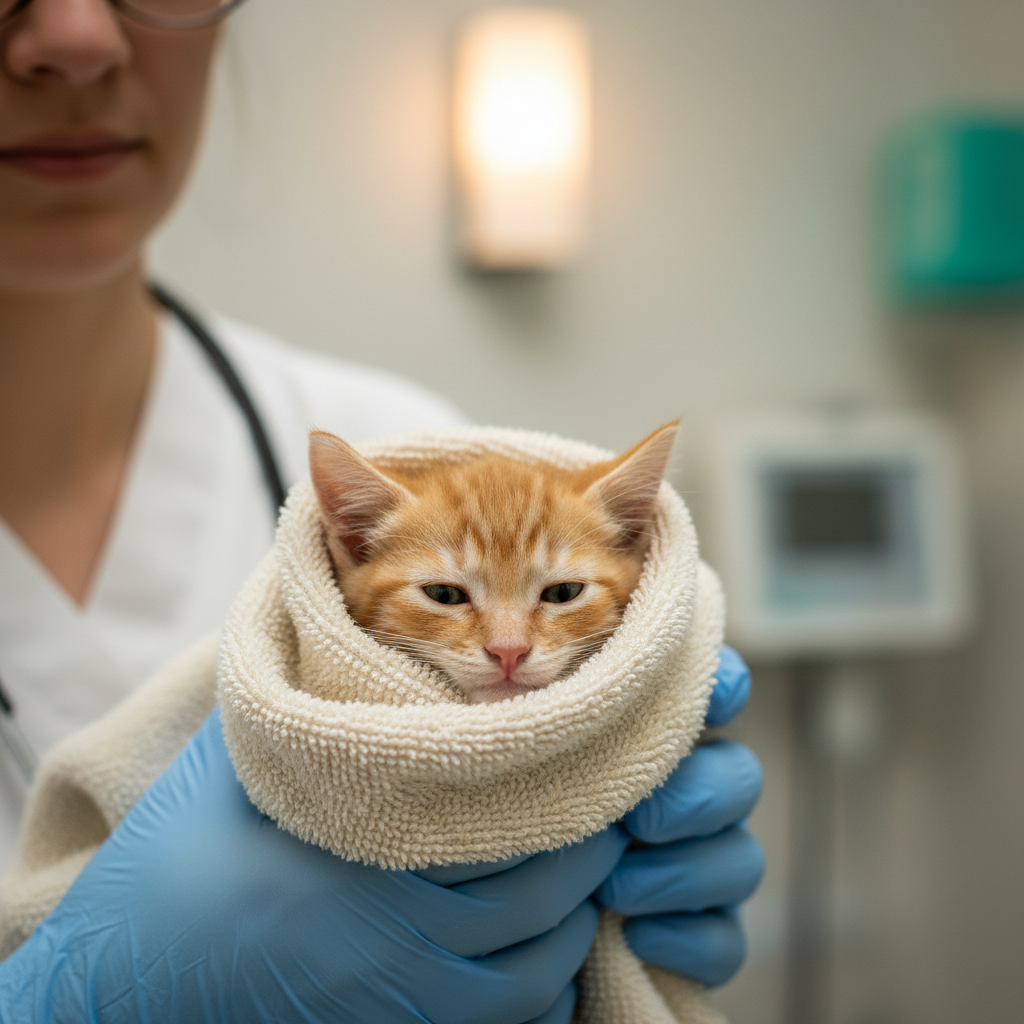
Post-operative ward, 4:30 AM
Recovery begins the moment you arrive.
Download Our Pet Emergency Guide
Free · PDF · Species-specific
A 12-page guide written by our triage nurses — symptom checklists, poisonous substance lists, and what-to-do cards for dogs, cats, and exotics.
No spam. One email with your guide.
Emergency Line · Always Open
(555) 123-4567